
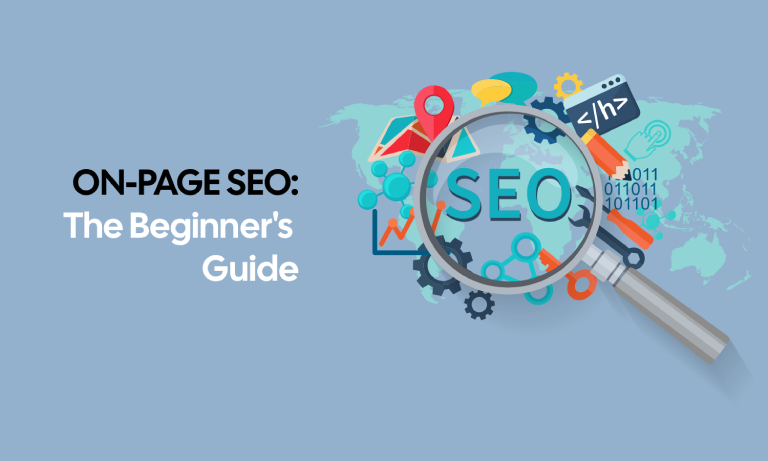
Search engines have evolved, and so has on-page SEO. At its core, on-page SEO is the practice of optimising the elements within your website that you directly control, from content and keywords to HTML structure and user experience. In 2026, with AI-driven search, semantic algorithms, and intent-based ranking systems shaping results, getting on-page optimisation right is more critical than ever. This guide breaks down what modern on-page SEO really means, compares leading industry approaches, and provides practical, actionable steps, along with guidance on choosing the right SEO partner, to help you build sustainable search visibility.
What is On-Page SEO?
On-page Search Engine Optimisation (SEO) involves optimising individual web pages to rank higher and earn more relevant traffic in search engines. It covers optimising elements of a website that you can directly control, like keywords, content and the HTML source code. On-page SEO benefits both the website ranking and the user experience. Its primary objective is to provide search engine crawlers with enough context to understand the page’s topic and also ensure a high-quality user experience for human visitors.
While on-page SEO involves optimising elements that are on the web page, off-page and technical SEO involve all activities performed outside of your own website to impact your rankings. Backlink building from relevant and credible websites, guest posting and digital PR are all parts of off-page SEO that help build trust and authority. On the other hand, technical SEO means making the website’s infrastructure better by making improving its speed, making it more mobile-friendly, adding XML sitemaps, and making HTTPS security better.
Earlier, the practice of on-page SEO focused on keyword stuffing to manipulate search rankings. However, as search algorithms have become more sophisticated, the focus has shifted toward semantic search and user intent. Modern search engines use natural language processing (NLP) to understand the context of a page. This means that high-quality, in-depth content is now the most critical component of on-page optimisation.
How Top SEO Guides Approach On-Page SEO in 2026
- AIOSEO Approach
The AIOSEO method uses tools for practical optimisation. It uses special plugins to conduct in-depth audits and analyses of the site. This creates a feedback loop in real time, where software checks the content as it is being written to make sure it meets all technical standards before it is published. This also includes giving search engines structured data so that pages can get rich snippets and be more visible in specialised search features.
- SEOlogist 2026 Guide
The SEOlogist perspective for 2026 focuses on the shift from traditional keyword matching to satisfying Large Language Models (LLMs) and AI-driven search engines. Optimisation now involves ensuring content is machine-readable in a way that allows AI agents to accurately cite the information in generated responses. The focus is more towards semantic search and satisfying user-intent. In an era of AI-generated content, SEOlogist places importance on Experience, Expertise, Authoritativeness, and Trustworthiness (E-E-A-T) as the ultimate differentiators. This involves highlighting human-authored insights, verified credentials and original data.
- WordStream Approach
The WordStream approach focuses on content-first SEO and user-experience. It involves conducting keyword research to identify high-value topics and creating good-quality content with the help of short paragraphs, bulleted lists, and compelling imagery. The goal is to create a web page that naturally earns authority through its usability. The primary focus is on conversion-driven optimisation.
Core On-Page SEO Elements You Must Optimise
Below is a comprehensive list of all the crucial on-page SEO elements you must optimise for higher search engine ranking:
- Keyword Research & Search Intent: Identify high-relevance keywords and align content with user intent (informational, transactional, navigational) to improve ranking accuracy.
- Title Tags & Meta Descriptions: Create compelling, keyword-rich titles and meta descriptions to increase visibility and improve click-through rates.
- Header Structure (H1–H3): Use a clear heading hierarchy to organise content logically and help search engines understand topic relevance.
- Content Optimisation & Semantic SEO: Create high-quality, contextually rich content using related terms and entities to improve topical authority.
- URL Structure: Keep URLs short, descriptive, keyword-focused, and easy for both users and search engines to understand.
- Internal Linking Strategy: Link relevant pages strategically to distribute authority and improve site navigation and crawlability.
- Image Optimisation: Optimise images with descriptive alt text, compressed file sizes, and proper formats to enhance SEO and page speed.
- Schema Markup: Implement structured data to help search engines better interpret content and improve rich result visibility.
- Mobile & Core Web Vitals: Ensure mobile responsiveness and optimise performance metrics like loading speed, interactivity and visual stability.
Advanced On-Page SEO Strategies for 2026
Following are some of the advanced SEO strategies you can practise in 2026:
- AI Search Optimisation
AI snippets have become a primary source of information for users. Optimising content to be extractable for Large Language Models (LLMs) and AI overviews has become extremely important. This involves providing short, direct, factually correct, and unique answers. AI crawlers also prefer clean HTML and JSON-LD schema that defines the “MainEntity” of the page.
- Topic Clusters
This strategy involves making a main pillar page that gives a general overview of the topic and several cluster pages that go into more detail about specific subtopics and link back to the pillar page. You show the search engine that you have topical authority. It’s also user-friendly because no matter where they enter the site, they have a logical path to deeper information. This makes users stay on the page longer and lowers the bounce rate.
- NLP & Semantic Mapping
Natural Language Processing (NLP) and Semantic Mapping are two ways to make content better for how computers understand human language. It uses LSI and semantic keywords that are naturally related to the main topic. Search engines look for entities (known people, places, or things), which improves the likelihood of ranking for broad, competitive terms. The tone of the content is also a determining factor.
- Voice Search Optimisation
Now, voice search has become a popular way for users search for queries. Voice search often involves long, properly-phrased questions instead of keywords. Implementing speakable schema markup identifies sections of a page that are particularly appropriate for audio playback by voice assistants.
- Featured Snippet Targeting
Featured snippets are the most important element on the SERP. In 2026, targeting these requires specific formatting that matches the Snippet Type the search engine prefers for a given query. This usually involves placing a 40 to 60 word paragraph directly under an H2 or H3 heading that mirrors the search query. For comparison or step-by-step queries, search engines prefer <table>, <ul>, or <ol> HTML tags. Using these tags makes it easier for the engine to search the data for a snippet.
Step-by-Step On-Page SEO Checklist
Below is the best step-by-step on-page SEO checklist you can follow to optimise your website for higher search rankings:
- Analyse top-ranking competitor pages to understand content depth, format, and SERP features.
- Ensure the page satisfies a clear user goal with focused messaging and no mixed intent.
- Add a compelling introduction that clearly explains what the page delivers.
- Maintain strong content originality and run a plagiarism check before publishing.
- Improve readability with short paragraphs, bullet points, and simple language.
- Optimise for featured snippets by answering key questions clearly and directly.
- Add authoritative outbound links to relevant, high-quality sources.
- Include strong and visible CTAs aligned with business goals.
- Display trust signals such as author bio, credentials, and contact details.
- Add customer testimonials, reviews, or social proof where relevant.
- Ensure HTTPS security is properly implemented across the page.
- Check canonical tags to prevent duplicate content issues.
- Optimise crawlability via updated XML sitemap and clean robots.txt file.
- Fix broken links and remove unnecessary redirect chains.
- Implement proper 301 redirects for outdated or deleted pages.
- Use breadcrumb navigation for better user experience and crawl clarity.
- Optimise pagination if the content spans multiple pages.
- Add hreflang tags if targeting multiple languages or regions.
- Regularly update outdated information to maintain freshness.
- Monitor indexing status in Google Search Console.
- Track engagement metrics like bounce rate and average time on page.
- Set up goal tracking and conversion monitoring.
- Reduce intrusive pop-ups that negatively impact user experience.
- Ensure clear navigation and logical page flow.
- Continuously test and refine page performance based on data insights.
Common On-Page SEO Mistakes
Here are some common on-page SEO mistakes you can avoid:
- Keyword stuffing: Avoid unnaturally repeating target terms throughout the text. This degrades readability and can trigger search engine penalties for spammy behaviour.
- Thin content: Ensure to provide enough content on the page that will satisfy user intent. Pages with very little substantive information or value often result in lower rankings under quality-focused algorithms.
- Duplicate meta tags: Duplicate meta tags confuse search engines by providing identical titles or descriptions for different pages. This makes it difficult for crawlers to distinguish unique content.
- Ignoring mobile optimisation: Most users search for information on their mobile devices. Google too primarily uses mobile-first indexing to determine a website’s authority and rank. Ignoring mobile optimisation severely limits visibility in modern search results.
- Over-optimisation: This happens when technical SEO tactics, such as exact-match internal linking or excessive tagging are applied so aggressively that the page appears manipulative rather than user-centric.
How to Choose the Right On-Page SEO Service Provider?
What to Look For:
When looking for an on-page SEO service provider, make sure they have real case studies and measurable improvements in rankings and traffic to show that they can get results. The team should have expertise in both content and technology. This ensures your site structure and page content work together effectively. Make sure they follow AI-ready strategies that adapt to evolving search algorithms, and offer customised audits instead of generic checklists.
Why Hire Experts Instead of DIY:
Handling SEO on your own can be time-consuming and overwhelming. Hiring experts saves time, helps you avoid costly technical and strategic mistakes, and accelerates ranking growth with a focused approach. Professionals also use advanced tools and detailed audits that go beyond basic optimisations. This gives your website a stronger and more sustainable competitive edge.
Why Choose Rath Infotech for Professional SEO Services?
We at Rath Infotech are a digital marketing company that focuses on getting search visibility that leads to real business growth. Our team has deep expertise in both on-page and technical SEO. We ensure that your content, site structure, performance and search intent all work together perfectly. We use customised SEO strategies, instead of generic ones that have provided proven performance in real-world situations in various industries. We also provide transparent reports so you always know what’s working and what needs to be better. Get a free SEO audit or contact us today to get started on a strong strategy that will help you improve your search presence.
Conclusion
In 2026, on-page SEO is more than just keywords. You need a clear plan that includes search intent, high-quality content, technical structure and AI readiness. Every element from optimising for semantics to ensuring it works well on mobile, affects rankings and visibility. Now is the time to check your website for problems, fix them and take action with the help of an expert to keep up with evolving search results.