
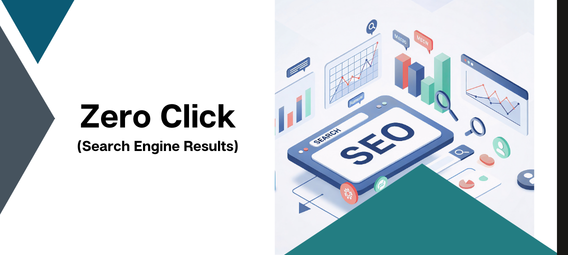
The digital landscape of search engine optimization (SEO) is undergoing a fundamental shift from a “click-based” economy to an “information-based” economy. In the past, SEO success depended on attracting users from the search engine results page to a website. That pattern has changed with the rise of zero-click searches. In these cases, the answer appears directly on the search page through featured snippets, knowledge panels, instant answers, or AI-generated summaries.
Many queries now end without a site visit because the information appears immediately. This change has grown stronger with generative AI features such as AI Overviews, which combine data from many sources into one clear response. While this trend can reduce traditional traffic, it raises the importance of visibility within these results. Pages that appear in zero-click answers build more authority, visibility, and trust with users. As a result, optimizing the content for zero-click results is now an essential part for increasing SEO performance, boosting brand reputation, and maintaining user engagement over time.
Understand Audience and Search Intent
Strong zero-click performance begins with clear knowledge of search intent. Different queries lead to different result formats. Informational searches often trigger featured snippets or quick answers. Transactional searches may show product details or pricing boxes. Navigational queries display brand panels or site links. Each query type requires a slightly different content structure. Search data helps reveal these patterns. Google Search Console provides information on impressions and query phrases. Keyword research tools also highlight queries and phrases that bring up answer boxes. These features help with content planning. Due to this information, content may be improved to accurately represent the purpose of each search and boost exposure in zero-click results.
Optimise Content for Featured Snippets
Featured snippets are among the most prominent aspects in zero-click search results. They will appear at the top of the search results page and provide a brief answer sourced from a specific website. Because users can often find the information they need directly in the snippet, structuring your content clearly becomes very important.
Understand the role of featured snippets: These snippets appear at the top of search results and display a short answer from a webpage, allowing users to get information quickly.
Provide direct answers early in the content: Providing clear responses to frequently asked questions at the beginning of the section enhances the possibility of getting chosen for a snippet.
Use short and clear paragraphs: Brief paragraphs work well for definition-based queries because search engines can easily extract concise explanations.
Use lists for steps or processes: When explaining steps, instructions, or important points, bullet points or numbered lists work well.
Use tables for comparisons: Tables clearly present data, which makes it easy to compare features and understand key facts.
Include keywords in headings: Headings with relevant keywords help search engines to quickly understand the topic and context of the content.
Structure questions clearly: For example, a heading like “What is zero-click search?” followed by a brief, two-sentence answer makes it easier for search engines to pull and show it as a featured snippet.
Use Schema Markup and Structured Data
Structured data helps search engines interpret webpage content with greater clarity. Schema markup adds a layer of context that explains what each section of a page represents. When implemented correctly, this data improves how content appears on the search results page. Several schema types support stronger zero-click visibility. The FAQ schema highlights question and answer content. The How-To schema displays step-based instructions. The product schema presents price, ratings, and availability. Recipe schema helps show cooking steps and ingredients. Implementation usually involves adding JSON-LD markup within the page code. Search engines then process this data and display enhanced results. Proper schema use improves presentation and increases the chance of appearing in rich results.
Focus on High-Quality, Concise Answers
Search engines prefer answers that are clear, short, and accurate. Zero-click results depend on quick, direct information. Content that provides a direct answer works well in these areas. Simple language makes writing easy to read and allows search engines to understand the key communication. A good strategy is to place the important answer at the start of the section and then add extra evidence afterwards. Visual aspects can also help in clarity. Charts, short tables, and images convey complicated ideas more quickly than big text blocks. Reliable statistics and references boost credibility as well. Regular updates keep information relevant. Fresh and accurate content signals reliability and improves the chance of appearing in answer boxes.
Optimise for Voice Search and Mobile Users
Voice search and mobile browsing have changed how people interact with search engines. Many users now ask questions through voice assistants or search on their phones while looking for quick answers. Because of this shift, search engines often display information directly on the results page. Optimizing content for voice search and mobile devices can therefore increase the chances of appearing in zero-click results.
Understand the role of voice search: The growth of voice assistants has increased the number of zero-click results, as many devices read answers directly from search results without opening a webpage.
Focus on featured snippets and structured data: Voice assistants often pull information from featured snippets or pages with clearly structured data. Optimizing for these elements improves the chances of your content being selected.
Use natural language: Voice searches are usually conversational. Writing in a natural, easy-to-read style helps match how people speak when they search.
Target question-based queries: Many voice searches begin with words such as “how,” “what,” “where,” and “why.” Structuring content to answer these questions can improve visibility in voice search results.
Write in a question-and-answer format: Clear Q&A sections make it easier for search engines to extract direct answers for users.
Use long-tail keywords: Longer, more specific phrases often reflect conversational searches and help capture voice-based queries.
Improve mobile performance: Fast loading speed and responsive design ensure that your pages work well on mobile devices.
Build mobile-friendly pages: Websites designed for mobile users tend to rank better and have a higher chance of appearing in zero-click search results.
Monitor Performance and Refine Strategy
Zero-click optimization is an ongoing process. As search trends and user behavior keep changing, you need to track them and update your approach regularly. By regularly checking your results and updating your content plan, you can stay visible in search and keep showing up in relevant snippets and quick answers.
- Track performance regularly: Zero-click optimization works best when you consistently monitor how your content performs in search results.
- Use Google Search Console: This tool provides valuable data such as impressions and click-through rates, helping you understand how your pages are appearing in search.
- Identify deep impressions with few clicks: If a page has a lot of impressions but few clicks, it could mean that your material is appearing in zero-click results, which allow people to get the right answers on the search page.
- Study query reports: Query reports show you which keyword searches result in featured snippets or answer boxes, allowing you to focus on themes that produce quick replies.
- Update existing content: Add new questions, improve headings, and refine the structure so search engines can easily understand and display your information.
- Examine the schema markup: As search engines introduce new rich result formats, you may need to update your schema so your content stays eligible for these enhanced results.
- Keep improving your strategy: Regular updates and small changes will help to keep your content aligned with changing search behavior and strengthen the long-term visibility in search results.
Conclusion
Zero-click search results are changing how information is displayed on search engines. To succeed, prioritize understanding search intent, publishing written content that works well as snippets, using schema markup, providing easy-to-read responses, and optimizing for voice search. These tactics improve visibility even when users don’t click through to your site. Brands that appear in these quick answers build more trust and authority. Contact Rath Infotech & Web Solution for expert guidance and custom SEO strategies. We will support you at every step.